 Finding the right eye doctor is one of those decisions that’s easy to put off until something feels off. But the eye care provider you choose affects more than just the quality of your vision. It shapes how early disease gets caught, how your prescriptions are managed over time, and how comfortable you feel raising questions about your eye health. The right fit makes everything that follows easier.
At Overlake EyeCare, we know patients in Bellevue and Kirkland have plenty of options. This guide walks you through what to look for, what questions to ask, and how to tell whether a practice is set up to support you well, today and over the long run.
Key Takeaways
- The best eye doctor for you depends on your specific needs, including routine care, vision correction, or treatment of a medical eye condition.
- Look for a practice with both ophthalmologists and optometrists on staff to handle the full range of eye care under one roof.
- Credentials, experience, technology, and patient reviews are all important factors to weigh together.
- Convenience matters more than people expect, especially for ongoing conditions that require regular follow-up.
- A first appointment is often the best test of whether a practice is the right long-term
- Overlake EyeCare has served the Bellevue and Kirkland communities for over 40 years with a full range of ophthalmology and optometry services.
1. Start with What You Actually Need
Before comparing practices, it helps to get clear on what kind of eye care you’re looking for. The right doctor for an annual exam and updated glasses may be different from the right doctor for cataract surgery or chronic dry eye. A few common starting points:
- Routine eye exams and updated prescriptions for glasses or contacts
- Contact lens fitting, including myopia management for children ages 6+
- Treatment of dry eye, eye allergies, or chronic irritation
- Management of an existing condition like glaucoma, diabetes, or macular degeneration
Cataract surgery or refractive surgery consultation
- Same-day care for sudden vision changes, pain, or injury
If you’re looking for a long-term home for your eye care, the safest bet is a practice that can handle all of the above, such as Overlake Eyecare, so you don’t have to switch providers as your needs change.
2. Check Credentials and Scope
Credentials matter, but they should match what you actually need. A few things to look for:
Board certification. Ophthalmologists should be board-certified by the American Board of Ophthalmology. Optometrists should hold a current state license and a Doctor of Optometry degree from an accredited program.
Both MDs and ODs on staff. Practices with both ophthalmologists and optometrists working together can handle routine care and complex medical or surgical care without sending you elsewhere. This matters more than people realize, especially for conditions that may eventually need surgical care.
Subspecialty experience. If you have a specific condition like glaucoma, diabetic retinopathy, or complex cataracts, ask whether the practice has experience treating it. A general eye doctor can handle most cases, but some situations benefit from focused expertise.
Years in practice and reputation. Practices with deep roots in the community tend to have established workflows, strong referral networks, and a track record patients can verify through reviews and word of mouth.
3. Look at Technology and Services Offered
Modern eye care depends on diagnostic technology that catches problems earlier and tracks them more precisely. When evaluating a practice, ask what’s actually available on site:
- Optical coherence tomography (OCT) for retinal imaging and glaucoma monitoring Visual field testing for glaucoma, ptosis, and long term drug therapy
- Corneal topography and mapping for contact lens fitting and refractive evaluation
- Retinal imaging for diabetic eye disease and macular degeneration screening Advanced dry eye diagnostics and in-office treatments
- In-office procedures and surgical capability when needed
Equally important is the range of services offered. A practice that can handle everything from routine exams, contact lenses fitting, dry eye treatment, glaucoma management, and cataract surgery means fewer outside referrals and more consistent care over time.
4. Read Reviews and Ask for Referrals
Online reviews and personal referrals tell you what credentials can’t. Look for patterns rather than individual reviews:
- Do reviews highlight thorough explanations of findings and treatment options?
- Are there repeated mentions of specific doctors by name in a positive way?
- How does the practice respond to negative reviews, if at all?
- Do your friends, family, or primary care doctor have a practice they regularly recommend?
Word of mouth often carries more weight than star ratings alone. A practice that other healthcare providers in the area refer patients to is a strong signal.
5. Consider Convenience and Long-Term Fit
An eye care relationship is meant to last. Convenience and accessibility play a bigger role than most people realize, especially for patients managing ongoing conditions that require follow-up visits.
Location. Is the office reasonably close to home or work? For patients on the Eastside, having options in both Bellevue and Kirkland can make scheduling around work and family easier.
Scheduling and wait times. How quickly can you get a routine appointment? We understand and sympathize that long wait times for routine visits can be frustrating, especially when your prescription is overdue or you have a concern that won’t wait. Some of our doctors offer same-day care available for urgent eye issues.
Insurance acceptance. Does the practice accept your insurance? Overlake Eyecare takes a variety of plans. Please check them out here.
Continuity of care. If you see the same doctor over time, your records and history stay in one place. That makes it easier to catch subtle changes and avoid repeating tests unnecessarily.
6. What to Compare When Choosing a Practice
Here’s a quick way to weigh the main factors side by side.
Eye Care Practice Comparison Checklist
| Factor | What to Look For | Why It Matters |
| Provider mix | Both MDs (ophthalmologists) and ODs (optometrists) on staff | Handles routine, advanced, care and surgical care without outside referrals |
| Range of services | Comprehensive exams, contact lenses, dry eye, glaucoma, cataracts, pediatric care | One practice can grow with you over time |
| Diagnostic technology | OCT, visual fields, retinal imaging, advanced dry eye testing | Earlier detection and more precise tracking of changes |
| Reputation | Consistent positive reviews, referrals from local PCPs | Strong signal of quality and patient experience |
| Convenience | Accessible location, reasonable scheduling, accepts your insurance | Makes long-term care sustainable, not stressful |
| Same-day care | Availability for sudden vision changes or eye pain | Eye emergencies don’t wait for the next open slot |
Use this as a starting framework. The best practice for you is the one that scores well across most of these factors and feels like the right fit when you walk through the door.
7. Choosing an Eye Doctor in Bellevue and Kirkland
The Eastside has a strong selection of eye care practices, which is good for patients but can make the choice harder. A few things specific to choosing in Bellevue and Kirkland:
Eastside referral networks are tight. Primary care physicians, endocrinologists, and other specialists in the area tend to refer to a small group of trusted eye care practices. Asking your PCP for a recommendation is one of the most reliable ways to narrow down the options.
Look for practices with both locations or strong local roots. A practice with offices in both Bellevue and Kirkland gives you flexibility if you live in one community and work in the other.
Long-established practices also tend to have the deepest experience with the patient population on the Eastside.
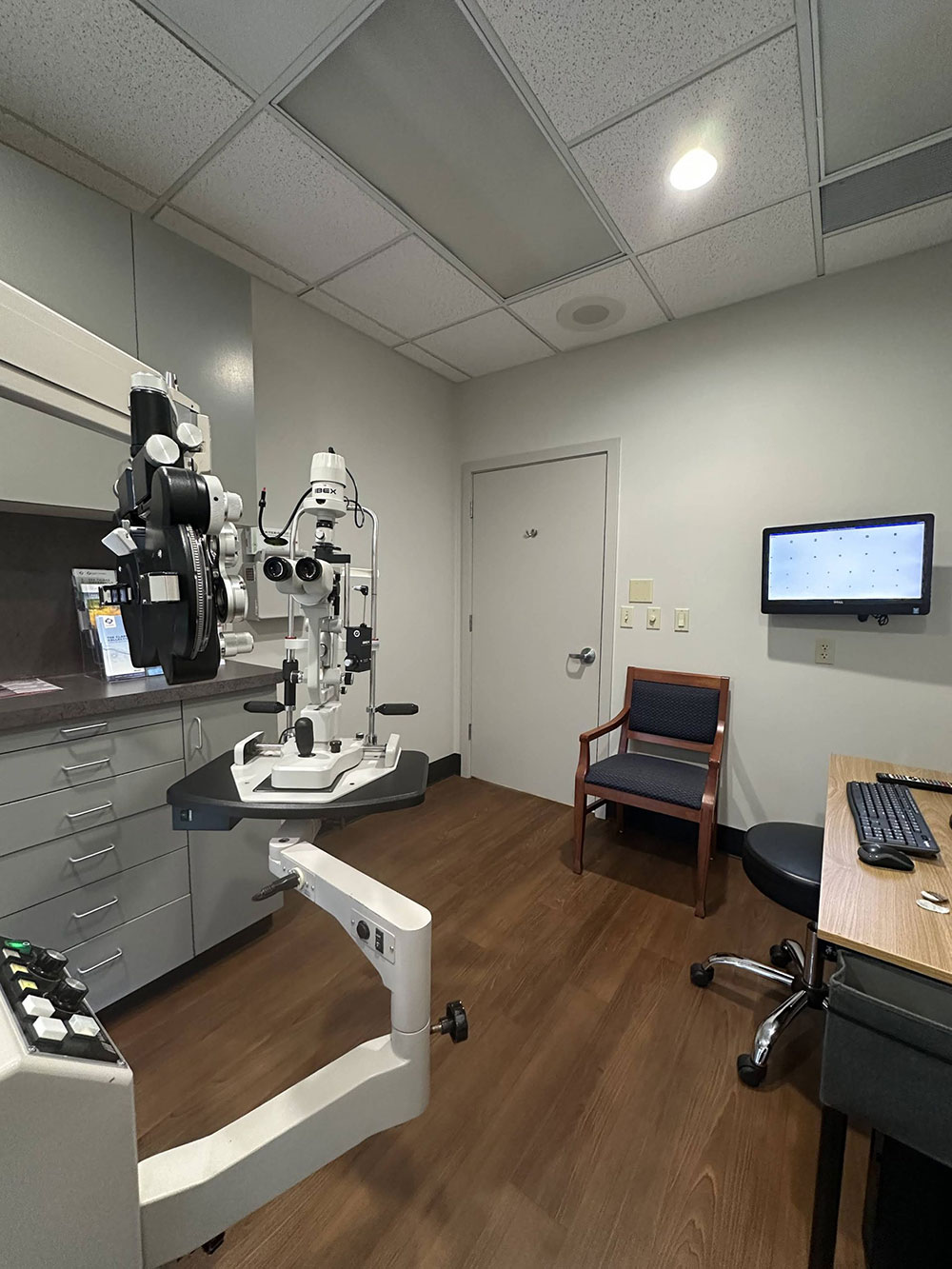
Don’t overlook the first visit experience. Overlake Eyecare guides your first visit through a series of state-of-the-art equipment to get a baseline profile of your eye condition. From there, our doctors diagnose the health of your eyes and advise if you will need a routine, advanced, or surgical type of care. Your first comprehensive exam would provide a preview of what ongoing care will feel like.
8. Eye Care at Overlake EyeCare (Bellevue and Kirkland)
Our Bellevue and Kirkland offices provide a full range of eye care for adults and children across the Eastside. What sets us apart:
MDs and ODs on site: Our board-certified ophthalmologists and optometrists work side by side, so you get the right level of care without bouncing between practices.
Complete care under one roof: From comprehensive eye exams and contact lens fittings through dry eye treatment, glaucoma management, diabetic eye care, and cataract surgery, our team handles the full spectrum.
Advanced diagnostic technology: Our offices use modern imaging and testing equipment to catch issues earlier and track changes over time with precision.
Same-day emergency care: When sudden vision changes, eye pain, or injury can’t wait, our offices accommodate urgent visits.
Two convenient locations: Choose Bellevue or Kirkland based on what works for your schedule, with the same comprehensive services available at both.
Over 40 years of community trust: Generations of Eastside families have made Overlake EyeCare their long-term eye care home.
Frequently Asked Questions
How do I know if I need an ophthalmologist or an optometrist?
For routine eye care, vision correction, and most common eye concerns, an optometrist is the right starting point. If you need surgery, advanced medical eye treatment, or care for a complex condition, an ophthalmologist may be more appropriate. A practice with both can guide you to the right provider from your first visit.
Should I choose an eye doctor close to home or close to work?
Whichever is more sustainable for you long term. For most patients, the practice they can actually get to consistently wins out. If a practice has multiple locations on the Eastside, that flexibility can make scheduling much easier.
How important are online reviews when choosing an eye doctor?
Reviews are useful when you look at patterns rather than individual ratings. Consistent positive mentions of specific doctors, thorough exams, and clear communication are strong signals. One bad review out of hundreds usually isn’t meaningful.
What questions should I ask on my first visit?
Ask about the practice’s experience with your specific condition or needs, how follow-up care is handled, and what to do if you have an urgent issue. The answers will tell you whether the practice is set up for long-term care.
Do I need a referral to see an eye doctor?
Most vision care does not require a referral. Some medical eye care or specialist visits may require one depending on your insurance plan. Our staff can help you understand what your specific plan requires before your visit.
Can my whole family see the same eye doctor?
Yes, in most cases. Practices with both ophthalmology and optometry can typically see patients of all ages, from children needing their first eye exam through adults managing age-related conditions.
Family eye care under one roof is one of the most common reasons patients choose a comprehensive practice.
How often should I see an eye doctor?
Most adults under 40 should have a comprehensive eye exam every 1 to 2 years. After age 40, annual exams are generally recommended. Patients with diabetes, glaucoma, or other risk factors may need more frequent visits. Your eye doctor will recommend the right schedule based on your specific health profile.
What if I’m not happy with my current eye doctor?
Switching is straightforward. Your records can be transferred to a new practice with your written consent, and your new eye doctor can pick up where the previous one left off. A second opinion is also reasonable if you’ve been recommended for surgery or a major treatment.
Conclusion: The Right Eye Doctor Makes Everything Easier
Choosing an eye doctor doesn’t have to be complicated, but it does deserve a little thought. The right practice gives you confidence that your vision is being managed well today and that you’re set up for whatever comes next, whether that’s a routine prescription update or a more involved treatment down the road.
At Overlake EyeCare, we’ve been serving the Bellevue and Kirkland communities for over 40 years. Contact us today to schedule a visit at our Bellevue or Kirkland office, and see what a long-term eye care home can look like: 425-643-2020.