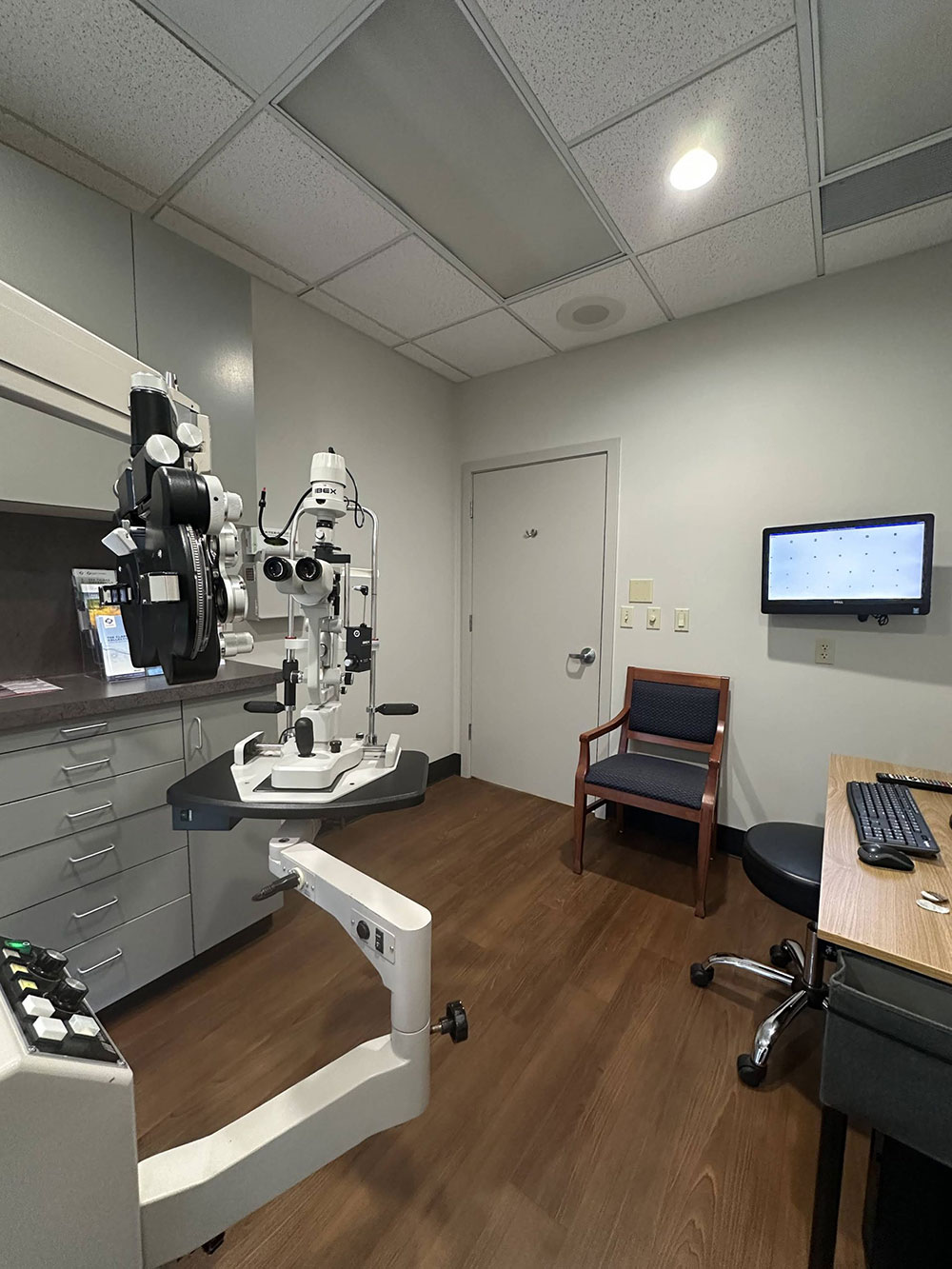
Choosing an eye doctor in Bellevue matters more than most people realize. The provider you choose affects how early eye disease is caught, how well your vision is corrected, and how smoothly your care is managed over the years. Whether you are booking a routine exam, updating a prescription, or looking into a specific concern, knowing what kind of eye doctor you need makes the decision much easier.
At Overlake EyeCare, we provide both ophthalmology and optometry at our Bellevue office, serving patients throughout Bellevue and the surrounding Eastside. This guide explains the different types of eye doctors, how to choose the right one, when to schedule a visit, and what to expect, so patients from neighborhoods like Crossroads, Bridle Trails, Lake Hills, and Downtown Bellevue can find care close to home.
Key Takeaways
- “Eye doctor” can mean an optometrist or an ophthalmologist, and the right one depends on whether you need routine care, vision correction, or medical and surgical treatment.
- An optometrist handles routine exams and common conditions, an ophthalmologist adds medical and surgical care, and a practice with both can cover the full range without an outside referral.
- When choosing an eye doctor, weigh range of care, experience, technology, and how convenient the office is for follow-up visits.
- Overlake EyeCare has both optometrists and ophthalmologists at our Bellevue office.
- Our Bellevue office is at 1837 156th Ave NE, Suite A201, Bellevue, WA 98007. Call or text (425) 643-2020.
- We serve patients across Bellevue, including Crossroads, Lake Hills, Bridle Trails, Downtown Bellevue, Wilburton, BelRed, and the Overlake area, in ZIP codes 98004, 98005, 98006, 98007, and 98008.
1. What Is an Eye Doctor? Optometrist, Ophthalmologist, and Eye Specialist
When people search for an eye doctor or eye specialist in Bellevue, they are often describing a few different providers. Knowing the difference helps you choose the right one for what you actually need.
Optometrist (OD). A doctor of optometry who has completed a four-year doctoral program. Optometrists perform comprehensive eye exams, prescribe and fit glasses and contact lenses, and diagnose and manage many common eye conditions, including dry eye, infections, and the early stages of diseases like glaucoma. For most people, an optometrist is the eye doctor they see for routine care.
Ophthalmologist (MD or DO). A medical doctor who has completed medical school, a residency in eye care, and often additional fellowship training. Ophthalmologists provide the full range of eye care, including surgery such as cataract surgery, and treatment of complex or advanced eye disease.
Eye specialist. A broad term that usually means an ophthalmologist, or a subspecialist who focuses on one part of the eye such as the retina, cornea, or glaucoma. Being told you need an eye specialist generally means care that goes beyond a routine exam.
2. How to Choose the Right Eye Doctor in Bellevue
The best eye doctor for you depends on your needs, but a few things are worth weighing no matter what:
- Range of care. A practice with both optometrists and ophthalmologists can cover routine exams and advanced treatment without sending you elsewhere.
- Credentials and experience. Look for established providers with experience treating your specific concern.
- Technology. Modern diagnostic imaging helps catch disease earlier and makes exams more thorough.
- Convenience and follow-up. Ongoing conditions mean repeat visits, so a nearby office and consistent care matter more than people expect.
- Patient reviews. Real patient feedback is a useful signal of how a practice communicates and treats people.
For many patients, the first appointment is the best test of whether a Bellevue eye doctor is the right long-term fit.
3. When Should You See an Eye Doctor?
Even with no symptoms, seeing an eye doctor regularly is the best way to protect your vision, because many eye conditions develop with few early signs. As a general guide, most adults should have a comprehensive exam every one to two years, and adults over 60 or anyone with diabetes, high blood pressure, or a family history of eye disease should be seen more often. Children should have their vision checked at regular intervals as their eyes develop.
Some symptoms should not wait for a routine visit. See an eye doctor promptly if you notice:
- A sudden or significant change in vision
- New flashes, floaters, or a curtain-like shadow in your vision
- Eye pain, redness, swelling, or injury
- Persistent blurred or double vision
- Increasing glare or trouble driving at night
4. What to Expect at Your First Eye Doctor Visit
Knowing what happens at a first visit makes it easier to choose a provider and show up prepared. A typical comprehensive visit with an eye doctor includes:
- Health and vision history. Your eye doctor reviews your medical history, medications, family history of eye disease, and any symptoms you have noticed.
- Vision testing. Testing measures how clearly you see at near and far distances and whether you would benefit from glasses or contacts.
- Eye health evaluation. The doctor examines the front and back of the eye, often checks eye pressure, and may use imaging or dilation to look more closely at the retina and optic nerve.
- A plan for next steps. You will discuss any findings, prescription changes, and whether follow-up, treatment, or monitoring is recommended.
To make the most of a first visit, bring your current glasses or contacts, a list of medications, your insurance information, and any relevant health history.
5. Why It Helps to Have Optometry and Ophthalmology Under One Roof
When a single practice offers both optometry and ophthalmology, your care stays connected. Routine exams, vision correction, disease management, and surgery can all be handled by one team that already knows your history, instead of being referred out and starting over. For patients managing an ongoing condition, that continuity often means problems are caught and treated sooner. It also makes it simpler to move from a routine exam to medical or surgical care when it is needed, without hunting for a new provider.
6. Finding an Eye Doctor Across Bellevue
Our Bellevue office serves patients from neighborhoods across the city, and we make it easy to reach an eye doctor close to home. Patients come to us from Crossroads and Northeast Bellevue, Bridle Trails and Northwest Bellevue, Lake Hills, Downtown Bellevue, and the Wilburton and BelRed areas, along with the nearby Overlake area and other Eastside communities.
The office is located in ZIP code 98007, and patients also visit from Bellevue ZIP codes 98004, 98005, 98006, and 98008, plus other nearby Eastside areas. Whether you live near Crossroads, work downtown, or are coming from Bridle Trails, our Bellevue office gives you a clear local option for an eye doctor who can handle both routine and medical eye care.
7. Visiting Our Bellevue Office
Overlake EyeCare’s Bellevue office is at 1837 156th Ave NE, Suite A201, Bellevue, WA 98007, in the Crossroads and Northeast Bellevue area. The office is easy to reach from Crossroads, Lake Hills, the Overlake area, Bridle Trails, BelRed, and Downtown Bellevue.
Office hours are Monday through Friday, 8:00 a.m. to 5:00 p.m. To schedule with an eye doctor for routine or medical care, call or text (425) 643-2020. If you are not sure whether you need an optometrist or an ophthalmologist, our team can help point you to the right visit.
Frequently Asked Questions
What is the difference between an optometrist and an ophthalmologist?
An optometrist (OD) handles routine eye exams, vision correction, and many common eye conditions, while an ophthalmologist (MD or DO) is a medical doctor who also performs eye surgery and treats complex disease. Overlake EyeCare in Bellevue has both, so most patients can get routine and advanced care in one place.
Do I need a referral to see an eye doctor or eye specialist?
In most cases, no. You can schedule an appointment directly. Because Overlake EyeCare offers both optometry and ophthalmology, patients who need more advanced care can often be seen without an outside referral.
Where can I find an eye doctor near me in Bellevue?
Overlake EyeCare’s Bellevue office is at 1837 156th Ave NE, Suite A201, Bellevue, WA 98007, in the Crossroads and Northeast Bellevue area, and serves patients throughout Bellevue. Call or text (425) 643-2020 to schedule.
How do I choose between eye doctors in Bellevue?
Look at the range of care offered, the provider’s experience with your specific concern, the technology available, and how convenient the office is for follow-up. A practice with both optometrists and ophthalmologists can cover routine and advanced needs in one place.
How often should I see an eye doctor?
Most adults should have a comprehensive eye exam every one to two years. Adults over 60, and anyone with diabetes, high blood pressure, or a family history of eye disease, should be seen more often.
Conclusion: The Right Eye Doctor in Bellevue Makes Everything Easier
Choosing an eye doctor in Bellevue is not just about your next exam. It is about having a team that can care for your vision at every stage of life. From routine exams and updated prescriptions to managing eye disease and coordinating surgery, the right eye doctor makes everything that follows easier.
Overlake EyeCare has served the Eastside for over 40 years with both optometry and ophthalmology at our Bellevue office. If you live in Crossroads, Bridle Trails, Lake Hills, Downtown Bellevue, the Overlake area, or elsewhere in Bellevue, call or text (425) 643-2020 to schedule your visit.