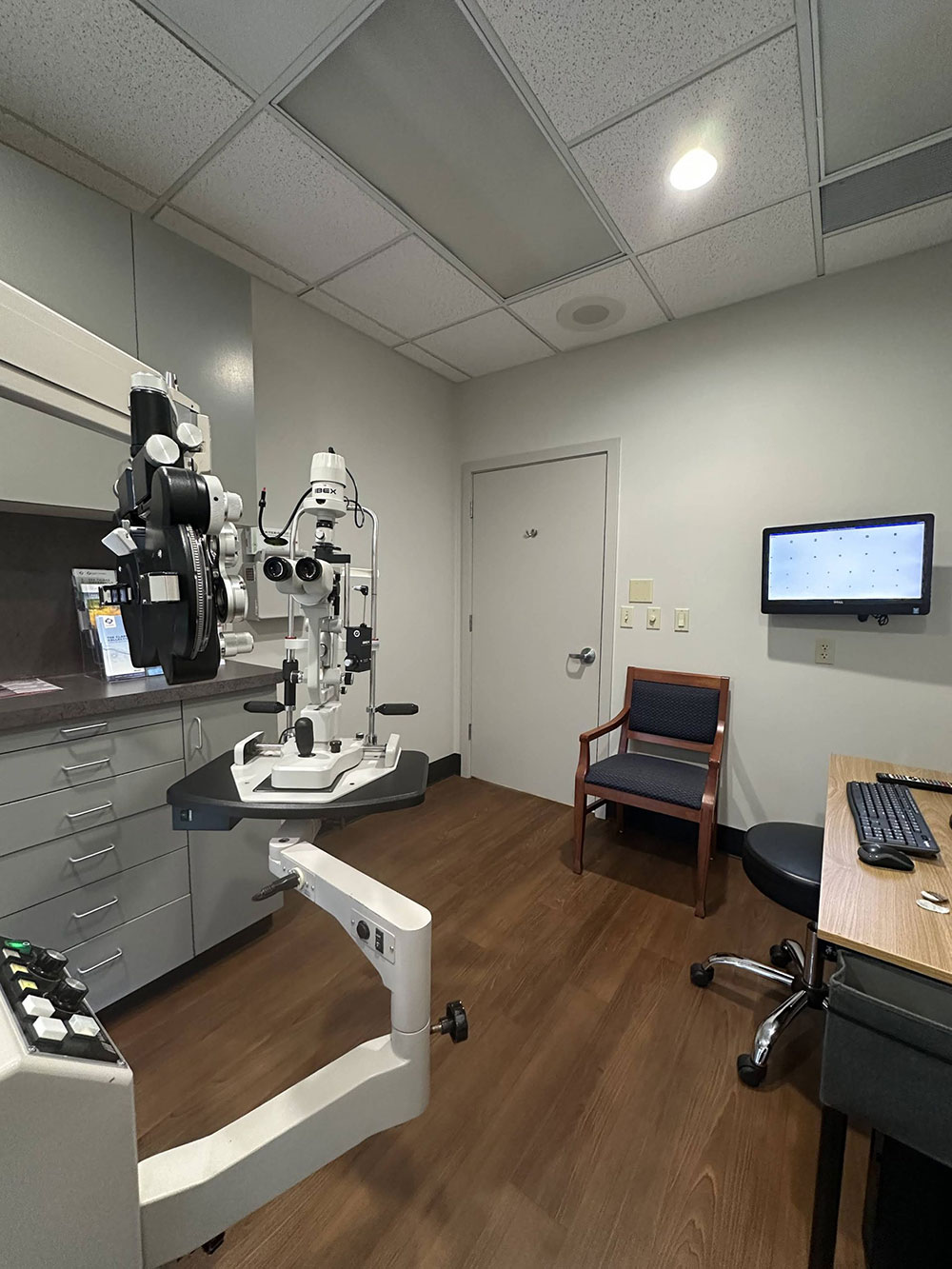
When an eye issue calls for more than glasses or a routine exam, ophthalmology is the part of eye care that steps in. Ophthalmologists are medical doctors who diagnose and treat eye disease, manage complex conditions, and perform eye surgery. Having that level of care available close to home makes a real difference when a condition needs treatment, monitoring, or a procedure.
At Overlake EyeCare, we provide ophthalmology alongside optometry at our Kirkland office, serving patients across Kirkland and the north Eastside. This guide covers what ophthalmology involves, the conditions ophthalmologists treat, when you might need one, and how patients from Totem Lake, Juanita, Finn Hill, and Downtown Kirkland can reach medical eye care nearby.
Key Takeaways
- Ophthalmology is the medical and surgical side of eye care, delivered by ophthalmologists, who are medical doctors (MD or DO).
- Ophthalmologists treat eye disease, manage long-term conditions, and perform surgery such as cataract surgery.
- Most patients begin with a routine exam and are guided to ophthalmology only when a condition needs medical or surgical care.
- Overlake EyeCare provides both ophthalmology and optometry at our Kirkland office, so routine and medical care can be coordinated together.
- Our Kirkland office is in Evergreen Professional Plaza at 12911 120th Ave NE, Suite A40, Kirkland, WA 98034. Call or text (425) 643-2020.
- We serve patients throughout Kirkland, including Totem Lake, Juanita, Kingsgate, Finn Hill, North Rose Hill, and Downtown Kirkland, in ZIP codes 98033 and 98034.
1. What Is Ophthalmology?
Ophthalmology is the area of medicine devoted to the eye. An ophthalmologist trains through medical school, a residency in eye care, and sometimes a fellowship in a specific subspecialty. That training is what allows an ophthalmologist to provide everything from medical treatment of disease to eye surgery.
That is where ophthalmology differs from optometry. Optometrists take care of routine exams, prescriptions, and many common conditions, while ophthalmologists provide the medical and surgical care that more advanced problems require. When a single practice offers both, patients can shift between routine and medical care as needed without switching providers.
2. Conditions an Ophthalmologist Treats
Ophthalmologists handle a broad set of eye conditions, particularly those that call for medical management or surgery. Common ones include:
- Cataracts. A clouding of the eye’s natural lens that can be evaluated and treated with surgery once it interferes with daily life.
- Glaucoma. A group of conditions that can gradually harm the optic nerve, typically managed with monitoring and treatment over time.
- Diabetic eye disease. Retinal changes caused by diabetes that need regular monitoring and sometimes treatment.
- Macular degeneration. An age-related condition affecting central vision where early detection and management help.
- Dry eye and surface conditions. Ongoing dryness or irritation that may need medical treatment beyond drops from the store.
- Other disease and urgent issues. Sudden vision changes, injuries, or symptoms that need prompt medical attention.
3. When Might You Need an Ophthalmologist?
Plenty of people never need to weigh optometry against ophthalmology, because routine care meets their needs. You may be pointed toward ophthalmology when a condition needs treatment, surgery, or closer monitoring.
Common reasons to see an ophthalmologist include:
- A diagnosis of cataracts, glaucoma, or diabetic eye disease that needs managing
- A referral for a procedure, such as cataract surgery
- Sudden vision loss, new flashes or floaters, or eye pain
- An eye injury or infection that needs medical care
- A condition that calls for regular specialist follow-up
If you are unsure whether your situation needs an ophthalmologist, a practice with both optometry and ophthalmology can assess you and steer you to the right care.
4. Ophthalmology Services at Overlake EyeCare in Kirkland
Our Kirkland office provides medical and surgical eye care next to routine optometry. Keeping these together makes it easier to line up a diagnosis, treatment, and follow-up in one place.
- Cataract care and surgery planning. Evaluation of cataracts and a discussion of treatment when they start affecting daily activities.
- Glaucoma treatment and management. Monitoring of eye pressure and optic nerve health, with a plan for patients who have glaucoma or are at higher risk.
- Diabetic eye exams. Retinal exams that follow diabetes-related changes and guide treatment or closer follow-up.
- Medical eye care. Diagnosis and treatment of eye disease and conditions that need more than routine vision care.
- Emergency eye care. Prompt evaluation of sudden symptoms, injuries, or notable vision changes.
- Coordinated routine and specialty care. With optometry and ophthalmology in one practice, routine exams and medical care work hand in hand.
5. What to Expect from Ophthalmology Care
An ophthalmology visit begins much like a thorough eye exam, with a review of your history and symptoms, vision testing, and an assessment of your eye health. From there, the focus narrows to the specific condition being looked at, which may call for imaging, eye pressure testing, dilation, or other testing to get a full picture.
Once the ophthalmologist understands the situation, you will go over the findings and a plan. Depending on the condition, that plan might mean monitoring over time, medical treatment, or a referral for a procedure. Ongoing conditions usually involve regular follow-up, which is simpler to manage at a nearby office.
6. Serving Patients Across Kirkland
Our Kirkland office provides ophthalmology care for patients from neighborhoods across the city and the north Eastside. Patients come to us from Totem Lake and North Kirkland, Juanita, Kingsgate, Finn Hill, North Rose Hill, and Downtown Kirkland and the Moss Bay waterfront.
The office is in ZIP code 98034, and patients also visit from 98033 and other nearby north Eastside areas. Wherever you are in Kirkland, our office gives you a local option for medical and surgical eye care.
7. Visiting Our Kirkland Office
Overlake EyeCare’s Kirkland office is in Evergreen Professional Plaza at 12911 120th Ave NE, Suite A40, Kirkland, WA 98034, in the Totem Lake area. It is easy to reach from Juanita, Kingsgate, Finn Hill, North Rose Hill, and Downtown Kirkland.
To schedule ophthalmology or routine eye care, or to ask which type of visit you need, call or text (425) 643-2020, and our team can help point you to the right appointment.
Frequently Asked Questions
What is the difference between ophthalmology and optometry?
Ophthalmology is the medical and surgical side of eye care, provided by ophthalmologists who are medical doctors. Optometry covers routine exams, vision correction, and many common conditions. Overlake EyeCare in Kirkland offers both, so patients can get routine and medical care in one place.
When do I need to see an ophthalmologist?
You may need an ophthalmologist when a condition needs medical treatment, surgery, or closer monitoring, such as cataracts, glaucoma, or diabetic eye disease, or when you have sudden vision changes, eye pain, or an injury. If you are unsure, our team can evaluate you and guide you to the right care.
Where can I find ophthalmology care near Totem Lake in Kirkland?
Overlake EyeCare’s Kirkland office is in Evergreen Professional Plaza at 12911 120th Ave NE, Suite A40, Kirkland, WA 98034, in the Totem Lake area, and provides medical and surgical eye care throughout Kirkland. Call or text (425) 643-2020 to schedule.
Do I need a referral to see an ophthalmologist?
In most cases, no. You can schedule directly. Because Overlake EyeCare offers both optometry and ophthalmology, patients who need medical or surgical care can often be seen without an outside referral.
What should I do if I have sudden vision changes?
Sudden vision loss, new flashes or floaters, significant eye pain, or an injury should be evaluated promptly. Contact an eye care professional as soon as possible so they can determine the right level of care.
Conclusion: Medical Eye Care Close to Home in Kirkland
Ophthalmology gives you access to medical and surgical eye care when a condition goes beyond routine vision needs. From cataracts and glaucoma to diabetic eye disease and other conditions, having an ophthalmology team nearby makes diagnosis, treatment, and follow-up easier to keep up with.
Overlake EyeCare has served the Eastside for over 40 years with both ophthalmology and optometry at our Kirkland office. If you live in Totem Lake, Juanita, Kingsgate, Finn Hill, North Rose Hill, Downtown Kirkland, or nearby, call or text (425) 643-2020 to schedule your visit.