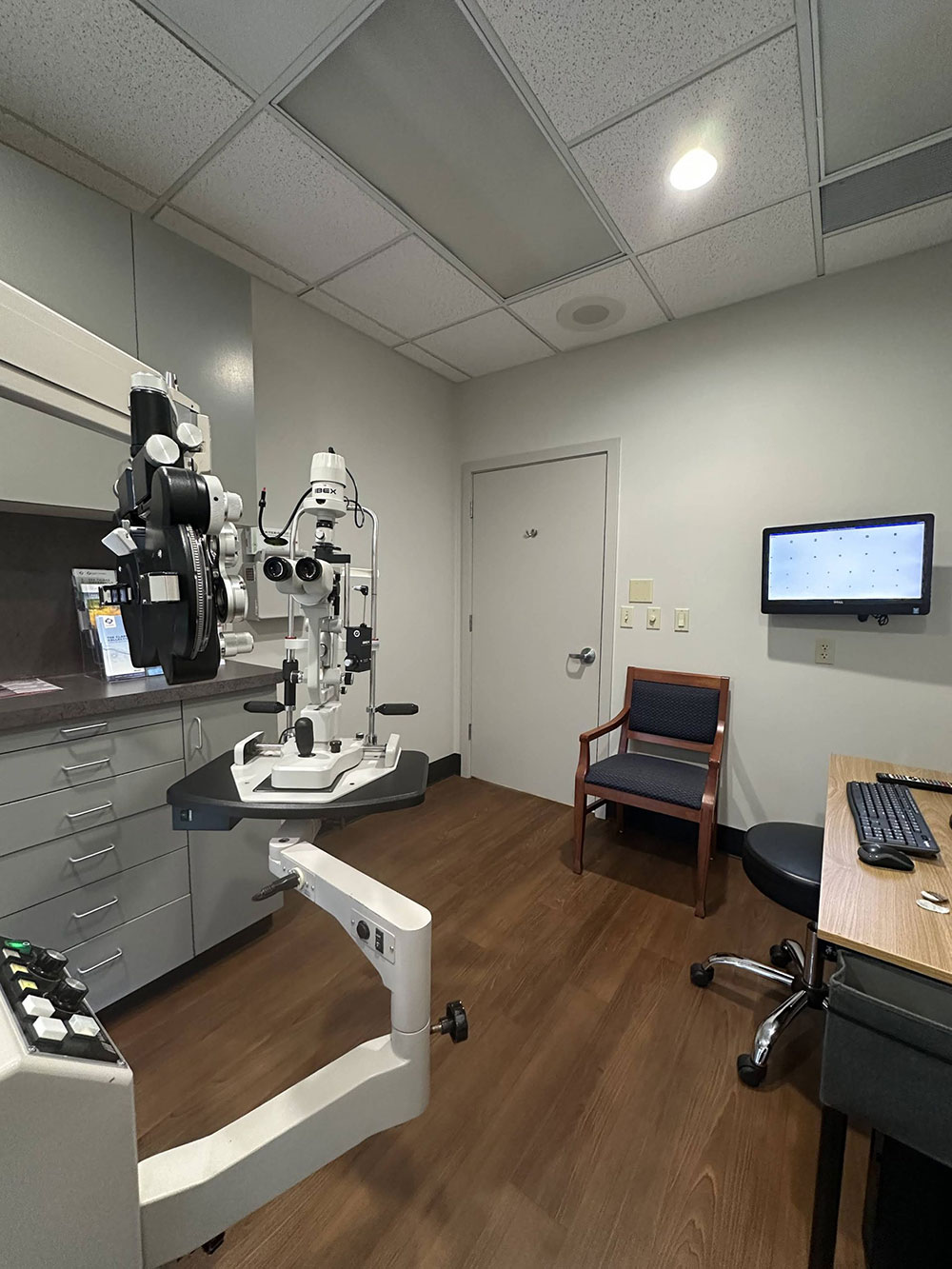
Picking an eye doctor in Kirkland is a decision worth getting right. The provider you choose shapes how early problems are caught, how well your vision is corrected, and how easy your care is to manage over time. Whether you are booking a first exam, refreshing a prescription, or following up on a concern, knowing which kind of eye doctor fits your needs takes the guesswork out of it.
At Overlake EyeCare, we offer both ophthalmology and optometry at our Kirkland office, serving patients across Kirkland and the north Eastside. This guide covers the types of eye doctors, how to choose one, when to book a visit, and what to expect, so patients from Totem Lake, Juanita, Finn Hill, and Downtown Kirkland can find the right fit close to home.
Key Takeaways
- “Eye doctor” can refer to an optometrist or an ophthalmologist, and which one you need depends on whether the care is routine, corrective, or medical and surgical.
- An optometrist covers routine exams and common conditions, an ophthalmologist adds surgery and complex disease, and a practice with both can handle the full range in one place.
- When comparing eye doctors, look at the range of care, experience, technology, and how easy the office is to reach for follow-up.
- Overlake EyeCare has both optometrists and ophthalmologists at our Kirkland office.
- Our Kirkland office is in Evergreen Professional Plaza at 12911 120th Ave NE, Suite A40, Kirkland, WA 98034. Call or text (425) 643-2020.
- We serve patients throughout Kirkland, including Totem Lake, Juanita, Kingsgate, Finn Hill, North Rose Hill, and Downtown Kirkland, in ZIP codes 98033 and 98034.
1. What Is an Eye Doctor? Optometrist, Ophthalmologist, and Eye Specialist
People searching for an eye doctor or eye specialist in Kirkland are often thinking of a few different providers. Sorting out the difference makes it easier to pick the right one.
Optometrist (OD). A doctor of optometry, trained through a four-year doctoral program, who runs comprehensive exams, prescribes and fits glasses and contacts, and manages many everyday eye conditions such as dry eye, infections, and early-stage disease. This is the eye doctor most people see for routine care.
Ophthalmologist (MD or DO). A medical doctor with medical school, a residency, and sometimes fellowship training behind them. Ophthalmologists cover the full range of care, including eye surgery like cataract surgery and treatment of advanced or complex disease.
Eye specialist. A general term that usually points to an ophthalmologist or a subspecialist focused on one area, such as the retina or glaucoma. Being referred to an eye specialist typically signals care beyond a standard exam.
2. How to Choose the Right Eye Doctor in Kirkland
The right eye doctor comes down to your needs, but a handful of factors are worth comparing:
- Range of care. An office with optometrists and ophthalmologists can handle both routine exams and advanced treatment without a referral out.
- Experience. Choose a provider with a track record treating your particular concern.
- Technology. Up-to-date imaging helps spot disease earlier and makes exams more complete.
- Convenience. Ongoing care means return visits, so a location near you and consistent providers matter.
- Reviews. Patient feedback gives you a sense of how a practice communicates and cares for people.
Often the first appointment tells you the most about whether a Kirkland eye doctor is a good long-term match.
3. When Should You See an Eye Doctor?
Regular visits are the best protection for your eyes, even without symptoms, because many conditions build quietly. As a rule of thumb, most adults should have a comprehensive exam every one to two years, while adults over 60 or anyone with diabetes, high blood pressure, or a family history of eye disease should come in more often. Children should have their eyes checked at regular points as they grow.
A few symptoms should not wait for a routine visit. See an eye doctor promptly if you have:
- A sudden or significant change in vision
- New flashes, floaters, or a shadow over part of your vision
- Eye pain, redness, swelling, or an injury
- Blurred or double vision that lingers
- Growing glare or difficulty driving at night
4. What to Expect at Your First Eye Doctor Visit
Knowing how a first visit goes makes it easier to choose a provider and come prepared. A comprehensive visit usually includes:
- History review. The eye doctor goes over your health background, medications, any family history of eye disease, and the symptoms you have noticed.
- Vision testing. Testing shows how clearly you see near and far and whether glasses or contacts would help.
- Eye health check. The doctor examines the front and back of the eye, often checks eye pressure, and may use imaging or dilation to view the retina and optic nerve more closely.
- Next steps. You will talk through any findings, prescription changes, and whether treatment, monitoring, or a follow-up is recommended.
Bring your current glasses or contacts, a list of medications, your insurance details, and any relevant health history to get the most from the visit.
5. Why It Helps to Have Optometry and Ophthalmology Under One Roof
When one practice provides both optometry and ophthalmology, your care stays joined up. Exams, vision correction, disease management, and surgery can be handled by a team that already knows your history, rather than being sent elsewhere to begin again. For anyone managing an ongoing condition, that continuity often means issues are caught and treated sooner, and it makes moving from a routine exam to medical or surgical care much simpler.
6. Finding an Eye Doctor Across Kirkland
Our Kirkland office sits near Totem Lake and draws patients from neighborhoods around the city and the north Eastside. People come to us from Totem Lake and North Kirkland, Juanita, Kingsgate, Finn Hill, North Rose Hill, and Downtown Kirkland and the Moss Bay waterfront.
The office is in ZIP code 98034, and patients also visit from 98033 and other nearby north Eastside areas. Whether you are near Totem Lake, coming from Juanita, or working around Downtown Kirkland, our office gives you a clear local option for an eye doctor who can cover both routine and medical eye care.
7. Visiting Our Kirkland Office
Overlake EyeCare’s Kirkland office is in Evergreen Professional Plaza at 12911 120th Ave NE, Suite A40, Kirkland, WA 98034, in the Totem Lake area. It is easy to reach from Juanita, Kingsgate, Finn Hill, North Rose Hill, and Downtown Kirkland.
You can book routine exams as well as medical and surgical eye care. To schedule with an eye doctor, or to ask whether you need an optometrist or an ophthalmologist, call or text (425) 643-2020 and our team can point you to the right visit.
Frequently Asked Questions
What is the difference between an optometrist and an ophthalmologist?
An optometrist (OD) handles routine exams, vision correction, and many common eye conditions, while an ophthalmologist (MD or DO) is a medical doctor who also performs eye surgery and treats complex disease. Overlake EyeCare in Kirkland has both, so most patients can get routine and advanced care in one place.
Where can I find an eye doctor near Totem Lake in Kirkland?
Overlake EyeCare’s Kirkland office is in Evergreen Professional Plaza at 12911 120th Ave NE, Suite A40, Kirkland, WA 98034, in the Totem Lake area, and serves patients throughout Kirkland. Call or text (425) 643-2020 to schedule.
Do I need a referral to see an eye doctor or eye specialist?
In most cases, no. You can book directly. Because Overlake EyeCare offers both optometry and ophthalmology, patients who need more advanced care can often be seen without an outside referral.
How do I choose between eye doctors in Kirkland?
Compare the range of care offered, the provider’s experience with your concern, the technology available, and how convenient the office is for follow-up. A practice with both optometrists and ophthalmologists can cover routine and advanced needs in one place.
How often should I see an eye doctor?
Most adults should have a comprehensive eye exam every one to two years. Adults over 60, and anyone with diabetes, high blood pressure, or a family history of eye disease, should be seen more often.
Conclusion: The Right Eye Doctor in Kirkland Makes Everything Easier
Choosing an eye doctor in Kirkland is about more than your next exam. It is about having a team that can look after your vision at every stage of life. From routine exams and updated prescriptions to managing disease and coordinating surgery, the right eye doctor makes everything that follows simpler.
Overlake EyeCare has served the Eastside for over 40 years with both optometry and ophthalmology at our Kirkland office. If you live in Totem Lake, Juanita, Kingsgate, Finn Hill, North Rose Hill, Downtown Kirkland, or nearby, call or text (425) 643-2020 to schedule your visit.