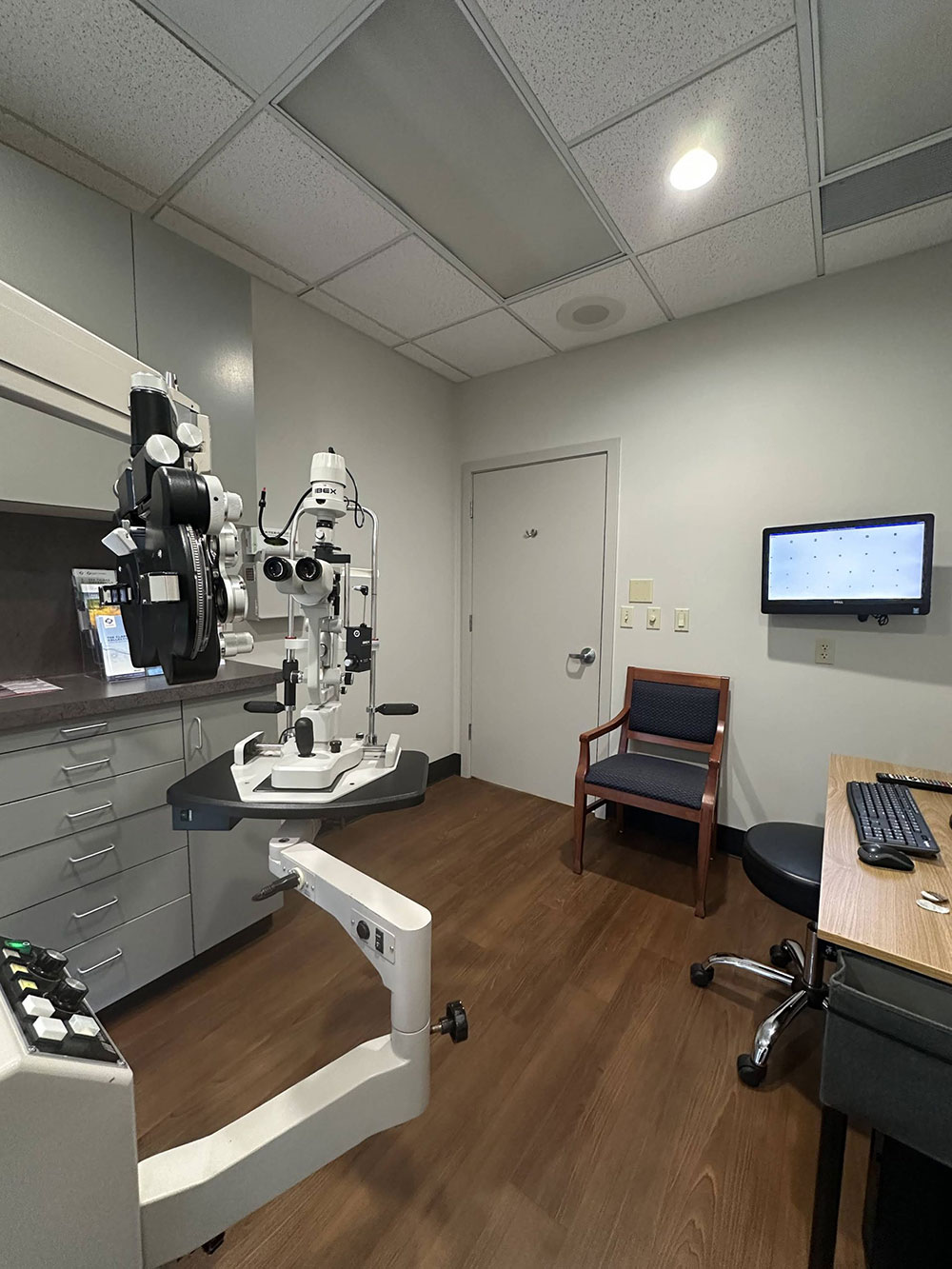
If you have diabetes, protecting your vision should be a priority. Diabetic eye disease is one of the leading causes of blindness in adults, but here’s the encouraging news: with regular screening and early treatment, most vision loss from diabetes can be prevented.
At Overlake EyeCare, we provide comprehensive diabetic eye exams at our Bellevue and Kirkland locations. This guide explains why annual eye exams are essential for people with diabetes, what happens during a diabetic eye exam, and how we can help you protect your sight for years to come.
Key Takeaways
- Diabetic retinopathy is the most common diabetic eye disease and a leading cause of blindness in working-age adults.
- Early diabetic eye disease often has no symptoms, which is why annual dilated eye exams are essential.
- When caught early, diabetic eye disease can be treated to prevent or slow vision loss.
- Good blood sugar control significantly reduces your risk of developing diabetic eye complications.
- Overlake EyeCare offers diabetic eye exams with advanced retinal imaging at both Bellevue and Kirkland locations.
1. How Diabetes Affects Your Eyes
Diabetes affects your body’s ability to use and store sugar, and over time, high blood sugar levels can damage blood vessels throughout your body, including the delicate blood vessels in your eyes. This damage can lead to several serious eye conditions.
Diabetic Retinopathy
This is the most common diabetic eye disease. High blood sugar damages the tiny blood vessels in the retina, causing them to leak fluid or bleed. In advanced stages, abnormal new blood vessels grow on the retina’s surface, which can lead to serious vision problems and even blindness if untreated.
Diabetic Macular Edema (DME)
When fluid leaks into the macula (the central part of the retina responsible for sharp vision), it causes swelling that blurs central vision. DME can occur at any stage of diabetic retinopathy and is a leading cause of vision loss in people with diabetes.
Other Diabetes-Related Eye Conditions
People with diabetes are also at higher risk for cataracts (developing them earlier in life) and glaucoma. This is why comprehensive eye care is so important for diabetic patients.
2. Stages of Diabetic Retinopathy
Diabetic retinopathy progresses through stages. Understanding these stages helps explain why regular monitoring is so important.
| Stage | What’s Happening | Symptoms |
|---|---|---|
| Mild Non-Proliferative | Small areas of swelling in retinal blood vessels (microaneurysms) | Usually none |
| Moderate NonProliferative | Blood vessels become blocked, depriving parts of retina of blood supply | Usually none or mild |
| Severe NonProliferative | More blood vessels blocked; retina signals body to grow new vessels | May notice some vision changes |
| Proliferative (Advanced) | Abnormal new blood vessels grow; can leak blood and cause scarring | Floaters, blurred vision, vision loss |
The key point: in the early stages when treatment is most effective, you may have no symptoms at all. By the time you notice vision changes, significant damage may have already occurred. This is why annual screening is so critical.
3. What Happens During a Diabetic Eye Exam
A diabetic eye exam is more comprehensive than a routine vision check. It’s specifically designed to detect signs of diabetic eye disease. Here’s what to expect:
- Visual Acuity Test: Standard eye chart test to measure how well you see at various distances.
- Dilated Eye Exam: Eye drops widen your pupils so your doctor can examine the retina and optic nerve for signs of damage. This is the most important part of a diabetic eye exam.
- Tonometry: Measures the pressure inside your eye to screen for glaucoma.
- Retinal Imaging (OCT): Advanced imaging technology that creates detailed crosssection images of the retina, allowing your doctor to detect swelling, fluid, or other abnormalities that may not be visible during a standard exam.
The exam typically takes 30-60 minutes. Because your pupils will be dilated, you may have blurry vision and light sensitivity for a few hours afterward, so plan to have someone drive you home or bring sunglasses.
4. How Often Should You Get a Diabetic Eye Exam?
The American Diabetes Association and other medical organizations recommend:
- Type 1 Diabetes: First dilated eye exam within 5 years of diagnosis, then annually.
- Type 2 Diabetes: Dilated eye exam at the time of diagnosis (since you may have had diabetes for years before being diagnosed), then annually.
- Gestational Diabetes: Eye exam during pregnancy and monitoring afterward.
- Existing Retinopathy: If you already have diabetic retinopathy, your eye doctor may recommend more frequent exams to monitor progression.
5. Treatment Options for Diabetic Eye Disease
If diabetic retinopathy is detected, several treatment options can help prevent further vision loss:
- Blood Sugar Management: For early-stage retinopathy, better blood sugar control may be enough to slow or stop progression.
- Anti-VEGF Injections: Medications injected into the eye that reduce swelling and stop the growth of abnormal blood vessels. This is now the primary treatment for diabetic macular edema and proliferative retinopathy.
- Laser Treatment: Laser photocoagulation can seal leaking blood vessels and reduce the growth of abnormal vessels.
- Vitrectomy: In advanced cases with significant bleeding or scar tissue, surgery to remove the vitreous gel may be necessary.
6. Protecting Your Vision: What You Can Do
The best way to protect your vision if you have diabetes is to take an active role in managing both your diabetes and your eye health:
- Control your blood sugar: Keeping your blood sugar in target range is the single most important thing you can do to prevent diabetic eye disease.
- Manage blood pressure and cholesterol: High blood pressure and cholesterol can worsen diabetic eye disease.
- Don’t smoke: Smoking increases your risk of diabetic complications, including eye disease.
- Get annual eye exams: Don’t skip your annual diabetic eye exam, even if your vision seems fine.
- Report vision changes immediately: If you notice floaters, flashes, blurred vision, or dark areas in your vision, contact your eye doctor right away.
7. Diabetic Eye Care at Overlake EyeCare
At Overlake EyeCare, we understand the importance of diabetic eye care and work closely with patients and their primary care physicians or endocrinologists to ensure coordinated care. Our team uses advanced diagnostic technology, including OCT imaging, to detect diabetic eye disease in its earliest stages.
If we detect diabetic retinopathy, we’ll work with you to develop a monitoring and treatment plan. For patients who need advanced treatment like injections or laser therapy, we coordinate with retinal specialists to ensure you get the care you need.
Our Diabetic Eye Services Include:
- Comprehensive dilated diabetic eye exams
- OCT retinal imaging
- Diabetic retinopathy screening and monitoring
- Coordination with your diabetes care team
- Referral to retinal specialists when needed
- Patient education and support
We serve patients at our Bellevue and Kirkland locations, providing convenient access to diabetic eye care for residents throughout the Eastside, including Redmond, Bothell, and Woodinville.
Frequently Asked Questions
How often do diabetics need eye exams?
People with diabetes should have a comprehensive dilated eye exam at least once a year. If you have existing diabetic retinopathy or other risk factors, your eye doctor may recommend more frequent exams.
What is diabetic retinopathy?
Diabetic retinopathy is a diabetes complication that damages the blood vessels in the retina. High blood sugar causes these vessels to leak, bleed, or grow abnormally, which can lead to vision loss if untreated. It’s the most common cause of blindness in workingage adults.
Can diabetic eye disease be reversed?
Early diabetic retinopathy may improve with better blood sugar control. While existing damage cannot be fully reversed, treatment can stop or slow progression and prevent further vision loss. This is why early detection through annual exams is so important.
Where can I get a diabetic eye exam near Kirkland?
Overlake EyeCare provides comprehensive diabetic eye exams at our Kirkland and Bellevue locations. We use advanced retinal imaging and coordinate with your diabetes care team to ensure you receive thorough, coordinated care.
Is a diabetic eye exam covered by insurance?
Yes, diabetic eye exams are considered medically necessary and are typically covered by Medicare and most medical insurance plans. This is billed as a medical exam, not a routine vision exam. Our team can help you understand your specific coverage.
What’s the difference between a regular eye exam and a diabetic eye exam?
A diabetic eye exam is more comprehensive and specifically looks for signs of diabetic eye disease. It always includes dilation so your doctor can thoroughly examine the retina, and often includes advanced imaging like OCT. A routine vision exam may not include these components.
Conclusion: Don’t Wait Until You Notice a Problem
Diabetic eye disease is serious, but it doesn’t have to steal your vision. With annual screening, early detection, and proper treatment, most vision loss from diabetes can be prevented. The key is not waiting until you notice symptoms. At Overlake EyeCare, we’ve been serving the Bellevue and Kirkland communities for over 40 years, and we’re committed to helping our diabetic patients protect their vision for life. If you have diabetes and haven’t had an eye exam in the past year, now is the time to schedule one.