If your eyes constantly feel gritty, burn, or water excessively, you are likely dealing with dry eye disease. This common condition affects millions of people and is particularly prevalent here in the Pacific Northwest, where indoor heating, air conditioning, and screen time combine to create challenging conditions for eye comfort.
At Overlake EyeCare Bellevue location, we take a different approach to dry eye treatment. Rather than simply recommending artificial tears, we work to identify the underlying cause of your symptoms and develop a personalized treatment plan that provides lasting relief.
Key Takeaways
- Dry eye is a chronic condition affecting millions of Americans, particularly common in the Pacific Northwest.
- Effective treatment requires identifying the root cause, not just treating symptoms.
- Advanced treatments like Mibo Thermoflo address meibomian gland dysfunction, a leading cause of dry eye.
- Prescription drops like Restasis and Xiidra can help restore natural tear production.
- Overlake EyeCare Bellevue office offers comprehensive dry eye diagnosis and treatment.
1. Understanding Dry Eye Disease
Dry eye occurs when your eyes do not produce enough tears or when your tears evaporate too quickly. While it might seem like a minor inconvenience, chronic dry eye can significantly impact your quality of life and, if left untreated, potentially damage the surface of your eyes.
Common symptoms include:
- Burning, stinging, or scratchy sensation
- Feeling like something is in your eye
- Excessive watering (yes, dry eyes can water more)
- Blurred vision, especially with reading or screen use
- Eye fatigue and sensitivity to light
- Difficulty wearing contact lenses
2. What Causes Dry Eye?
Dry eye has two main causes, and many patients have a combination of both:
Aqueous deficiency: Your tear glands do not produce enough of the watery component of tears.
Evaporative dry eye: Your tears evaporate too quickly, often due to meibomian gland dysfunction (MGD). The meibomian glands produce the oily layer that prevents tear evaporation.
Risk factors include:
- Age (dry eye becomes more common after 50)
- Hormonal changes, especially in women
- Prolonged screen use (reduced blink rate)
- Contact lens wear
- Certain medications (antihistamines, antidepressants, blood pressure medications)
- Environmental factors (wind, smoke, dry air, air conditioning)
- Autoimmune conditions and previous eye surgery including LASIK
3. Our Approach to Dry Eye Diagnosis
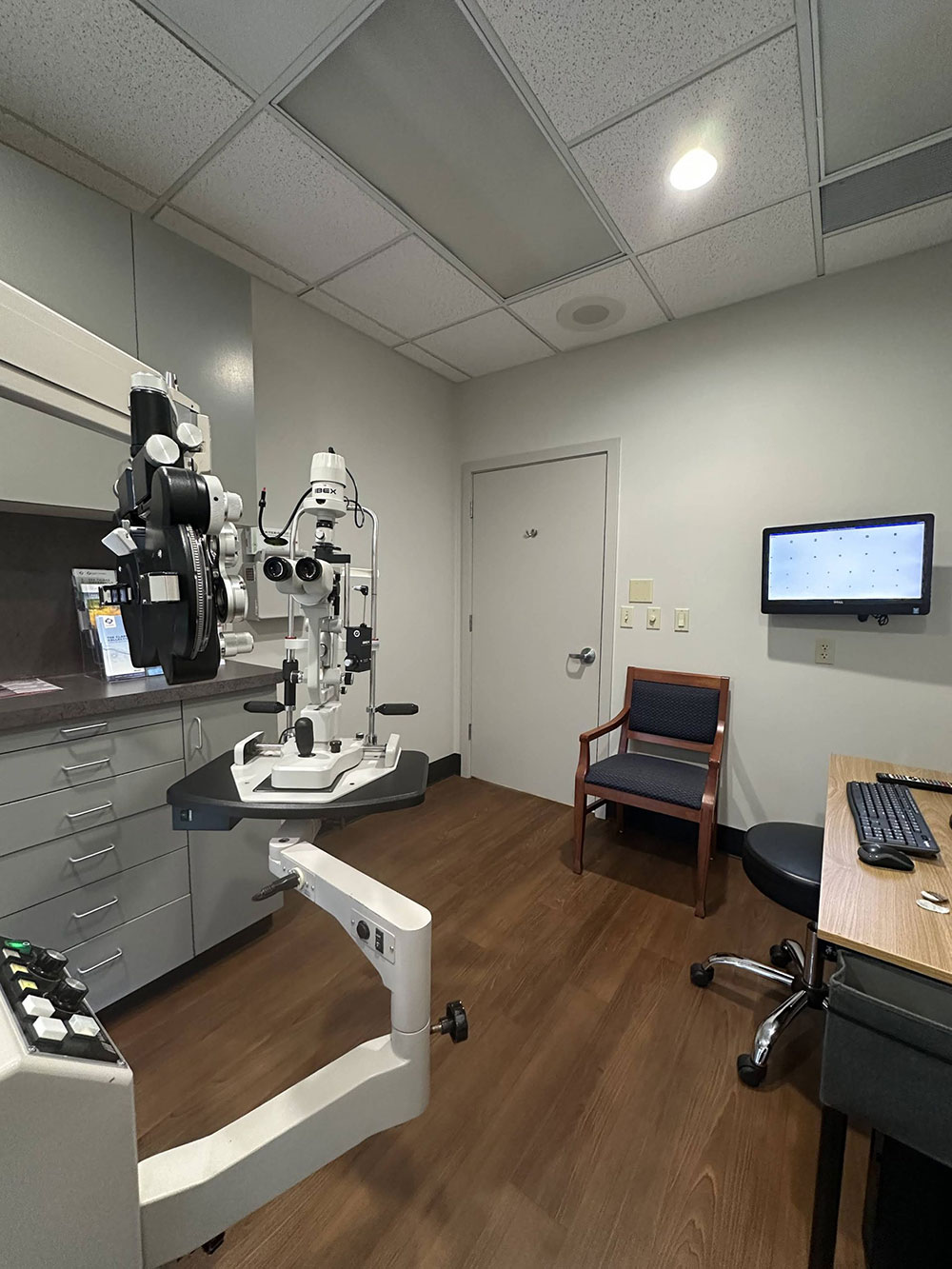
Effective dry eye treatment starts with proper diagnosis. At our Bellevue office, we use advanced diagnostic tools to understand exactly what is causing your symptoms:
- Comprehensive eye exam: Evaluating overall eye health and ruling out other conditions.
- Tear film assessment: Measuring tear production and quality.
- Meibomian gland evaluation: Examining the glands that produce the oil layer of your tears.
- Corneal surface analysis: Checking for damage from chronic dryness.
- Symptom assessment: Understanding how dry eye affects your daily life.
4. Dry Eye Treatment Options
Based on your diagnosis, we create a customized treatment plan. Options range from at-home care to in-office procedures:
Comparing Treatment Options
| Treatment | How It Works | Best For |
|---|---|---|
| Artificial Tears | Lubricating drops that supplement natural tears | Mild dry eye, symptom relief |
| Restasis / Xiidra | Prescription drops that reduce inflammation | Moderate to severe dry eye |
| Mibo Thermoflo | In-office thermal treatment for blocked glands | Meibomian gland dysfunction |
| Punctal Plugs | Tiny plugs to help tears stay longer | Aqueous-deficient dry eye |
| Omega-3 Supplements | Anti-inflammatory fatty acids | Comprehensive dry eye management |
5. Mibo Thermoflo: Advanced In-Office Treatment
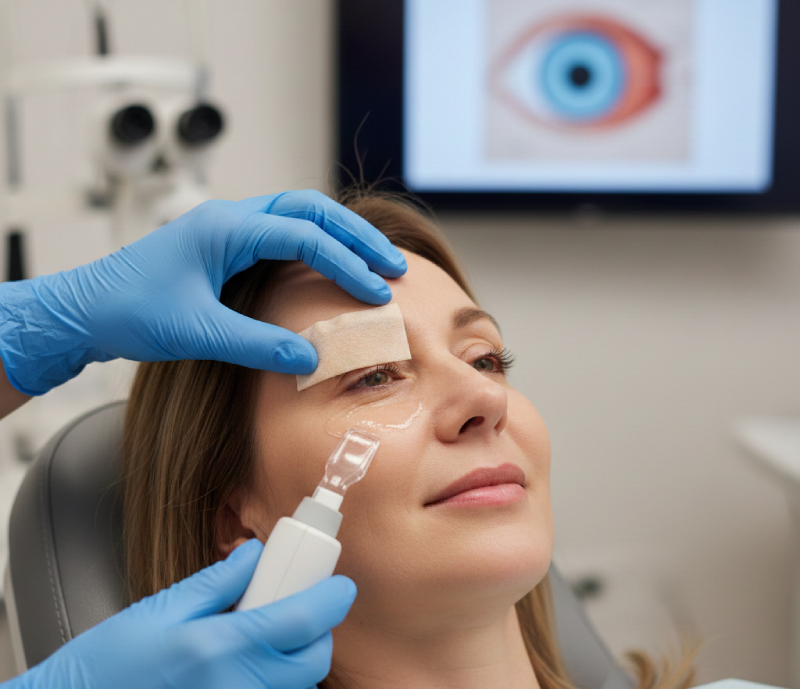
For patients with meibomian gland dysfunction, the most common cause of dry eye, we offer Mibo Thermoflo treatment at our Bellevue office. This innovative procedure:
- Uses therapeutic heat to warm the eyelids and liquefy hardened oils blocking the meibomian glands
- Gently expresses the glands to restore healthy oil flow
- Takes about 10-12 minutes per treatment
- Is comfortable – most patients find it relaxing
- Provides results that can last several months
Most patients benefit from a series of treatments spaced a few weeks apart, followed by maintenance treatments as needed. Many notice improvement after the first session.
6. Dry Eye Care at Overlake EyeCare
Our Bellevue office is equipped to diagnose and treat all types and severities of dry eye disease. What you can expect:
- Thorough evaluation to identify the specific type and cause of your dry eye
- Customized treatment plan, not a one-size-fits-all approach
- Advanced treatments including Mibo Thermoflo for meibomian gland dysfunction
- Ongoing support with regular follow-up to monitor progress
- Convenient location serving Bellevue, Kirkland, Redmond, and the greater Eastside
Frequently Asked Questions
Can dry eye be cured?
Dry eye is typically a chronic condition that requires ongoing management rather than a one-time cure. However, with proper treatment, most patients can achieve significant relief and maintain comfortable eyes long-term.
Why do my eyes water if I have dry eye?
Excessive watering is actually a common dry eye symptom. When your eyes are dry and irritated, they produce reflex tears – a watery response that lacks the proper balance of oils and mucus to effectively lubricate the eye surface.
How long does it take for dry eye treatment to work?
It depends on the treatment. Artificial tears provide immediate but temporary relief. Prescription drops like Restasis may take 3-6 months to show full effect. In-office treatments like Mibo Thermoflo can provide noticeable improvement within days to weeks.
Is dry eye treatment covered by insurance?
Many dry eye treatments, including prescription medications and some in-office procedures, may be covered by medical insurance. Coverage varies by plan. Our staff can help verify your benefits.
Should I see an optometrist or ophthalmologist for dry eye?
Both can diagnose and treat dry eye effectively. At Overlake EyeCare, our optometrists and ophthalmologists work together, so you have access to comprehensive care regardless of which provider you see initially.
Can contact lens wearers get dry eye treatment?
Absolutely. Contact lens wear is a common contributor to dry eye. We can help you manage dry eye symptoms while continuing to wear contacts, and may recommend specific lens types or wearing schedules that work better for dry eyes.
Conclusion: Find Relief from Dry Eye
Do not settle for living with dry, uncomfortable eyes. At Overlake EyeCare Bellevue location, we can identify the cause of your symptoms and create a treatment plan that provides real, lasting relief.
At Overlake EyeCare, we have been serving the Bellevue and Kirkland communities for over 40 years. Contact us today to schedule a dry eye evaluation and take the first step toward comfortable vision.