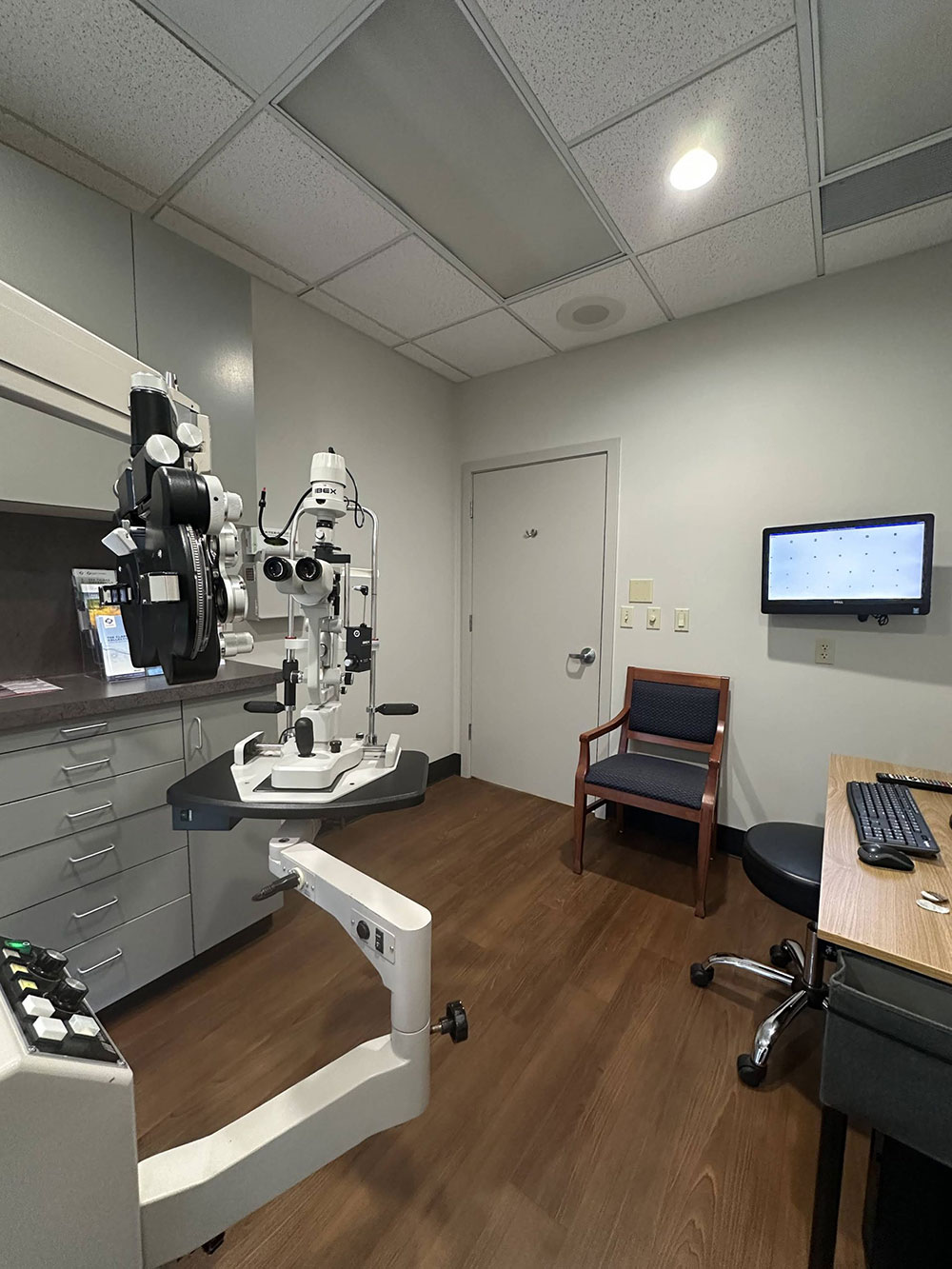
Are you experiencing blurry vision, sensitivity to light, or difficulty seeing at night? These could be signs of cataracts, a common age-related eye condition. If you’re in Bellevue or Kirkland, WA, and considering cataract surgery, Overlake EyeCare is here to guide you. This comprehensive guide outlines what to expect before, during, and after cataract surgery, emphasizing our compassionate, state-of-the-art approach to restoring your vision and improving your quality of life. We aim to make your journey to clearer sight as smooth and comfortable as possible.
Key Takeaways
- Cataract surgery is a safe, effective procedure that replaces a cloudy lens with a clear artificial one, significantly improving vision.
- Preparation involves a thorough eye exam, discussions about IOL options, and understanding pre-operative instructions.
- The procedure is typically quick, minimally invasive, and performed on an outpatient basis with local anesthesia.
- Recovery is generally swift, with most patients noticing improved vision within days and full healing within a few weeks.
- Overlake EyeCare provides personalized, state-of-the-art ophthalmology care for residents in Bellevue and Kirkland, WA.
1. Understanding Cataracts: The Basics
Cataracts are a prevalent condition where the natural lens inside your eye becomes cloudy, leading to blurry or hazy vision. This clouding progresses over time, making everyday activities like reading, driving, and recognizing faces increasingly difficult. While most cataracts are age-related, they can also develop due to injury, certain medical conditions like diabetes, or prolonged use of specific medications.
The lens of your eye works much like a camera lens, focusing light onto the retina at the back of your eye. When this lens becomes cloudy, light cannot pass through clearly, resulting in distorted or diminished vision. Early symptoms might be subtle, but as cataracts mature, they can significantly impair your quality of life. Fortunately, cataract surgery is a highly successful procedure that can restore clear vision.
Common Symptoms of Cataracts:
- Cloudy, blurry, or dim vision
- Increasing difficulty with night vision
- Sensitivity to light and glare
- Halos around lights
- Fading or yellowing of colors
- Frequent changes in eyeglass or contact lens prescriptions
2. Is Cataract Surgery Right for You?
Deciding to undergo cataract surgery is a significant step towards regaining clear vision. At Overlake EyeCare, your eye doctor will conduct a comprehensive eye exam to assess the severity of your cataracts and discuss how they impact your daily life. Surgery is typically recommended when cataracts begin to interfere with your ability to perform routine tasks safely and comfortably.
During your consultation, our team will explain the procedure, potential benefits, and any risks involved. We’ll also discuss your lifestyle, vision goals, and general health to determine if you are a good candidate for surgery. Our goal is to empower you with all the information you need to make an informed decision about your eye health.
3. Preparing for Your Cataract Surgery
Once you and your ophthalmologist decide that cataract surgery is the best course of action, our team at Overlake EyeCare will guide you through all necessary preparations. This phase is crucial for ensuring a smooth procedure and optimal outcome.
Pre-Operative Evaluation:
You will undergo several diagnostic tests to measure the size and shape of your eye. These measurements are essential for selecting the correct intraocular lens (IOL) to replace your cloudy natural lens. We will discuss various IOL options, including standard monofocal lenses, toric lenses for astigmatism correction, and multifocal or extended depth of focus (EDOF) lenses that can reduce your dependence on glasses for near, intermediate, and distance vision.
Medications and Instructions:
You may be prescribed eye drops to use a few days before surgery to prevent infection and reduce inflammation. It’s vital to follow these instructions precisely. You will also receive guidance on fasting before surgery and which medications to temporarily stop taking, especially blood thinners. Always communicate your full medical history and current medications to your surgeon.
4. The Cataract Surgery Procedure: What Happens on the Day
Cataract surgery is an outpatient procedure, meaning you can go home the same day. The actual surgery typically takes less than 30 minutes per eye, though you will be at the clinic for a few hours for preparation and recovery.
Upon arrival, your eye will be numbed with anesthetic eye drops, and you may receive a mild sedative to help you relax. The surgeon will make a tiny incision in your cornea and use a small ultrasonic probe to break up and gently remove the cloudy lens (a technique called phacoemulsification). Once the cataract is removed, a new, clear artificial intraocular lens (IOL) is inserted into its place.
The small incision usually self-seals, requiring no stitches. You will be monitored briefly in a recovery area before being discharged with detailed post-operative instructions.
5. Life After Cataract Surgery: Recovery and Results
Recovery from cataract surgery is generally quick and uneventful. Most patients notice improved vision within a few days of the procedure. It’s common to experience some mild discomfort, itching, or sensitivity to light immediately after surgery, but these symptoms usually subside quickly. You will be prescribed eye drops to prevent infection and control inflammation, which are crucial for proper healing.
Post-Operative Care:
- Avoid rubbing or pressing on your eye.
- Wear a protective shield, especially when sleeping, for the first week.
- Avoid strenuous activities, heavy lifting, and bending over for several weeks.
- Do not swim or use hot tubs for at least a month to prevent infection.
- Attend all follow-up appointments with your ophthalmology team to monitor your healing and vision progress.
Expected Results:
The vast majority of patients experience significantly improved vision after cataract surgery. Colors often appear brighter, and vision becomes clearer and sharper. While some patients may still need glasses for specific tasks (depending on the type of IOL chosen), many achieve excellent uncorrected vision. For those with cataracts in both eyes, surgery is typically performed on one eye at a time, usually a few weeks apart.
6. Choosing Overlake EyeCare for Your Cataract Surgery in Bellevue & Kirkland
When it comes to something as precious as your eyesight, choosing the right care provider is paramount. Overlake EyeCare is a leading provider of comprehensive eye care in Bellevue and Kirkland, WA, committed to delivering exceptional patient outcomes with a compassionate touch.
Why Choose Overlake EyeCare?
- Experienced Ophthalmologists: Our board-certified surgeons specialize in the latest cataract surgery techniques.
- State-of-the-Art Technology: We utilize advanced diagnostic and surgical equipment for precision and safety.
- Personalized Care: We tailor treatment plans to your unique needs and vision goals.
- Comprehensive Support: From your initial consultation to post-operative care, our team supports you every step of the way.
- Convenient Location: Easily accessible for residents throughout Bellevue, Kirkland, and the surrounding Washington communities.
Traditional vs. Advanced IOLs for Cataract Surgery
| Feature | Monofocal IOLs (Traditional) | Multifocal/Toric/EDOF IOLs (Advanced) |
|---|---|---|
| Vision Correction | Corrects vision for one distance (usually far); glasses often needed for near/intermediate. | Corrects vision for multiple distances (near, intermediate, far) and/or astigmatism. Reduced reliance on glasses. |
| Cost | Typically covered by insurance. | Higher out-of-pocket cost, as they are considered premium lenses. |
| Potential Side Effects | Minimal. | May experience glare or halos around lights, especially at night, initially. |
| Suitability | Good for most patients, especially those content with wearing glasses for certain tasks. | Ideal for active individuals desiring greater spectacle independence. |
Cataract Surgery vs. Other Vision Correction (e.g., LASIK)
| Aspect | Cataract Surgery | LASIK/PRK (Refractive Surgery) |
|---|---|---|
| Primary Goal | Replace cloudy natural lens to restore clarity impaired by cataracts. | Reshape cornea to correct refractive errors (nearsightedness, farsightedness, astigmatism). |
| Target Condition | Cataracts (clouding of the natural lens). | Refractive errors (e.g., myopia, hyperopia, astigmatism) in a clear lens. |
| Lens Removed | Yes, natural lens replaced with IOL. | No, natural lens remains in place. |
| Age Range | Typically older adults (50+), but can be younger for specific conditions. | Generally 18-40s, with stable prescription. |
Best Practices for a Smooth Cataract Surgery Experience
- Communicate Openly: Share all your medical history, current medications, and any concerns with your eye doctor.
- Follow Instructions: Adhere strictly to all pre- and post-operative guidelines, including eye drop schedules.
- Arrange Transportation: You will need someone to drive you home after the procedure.
- Prepare Your Home: Ensure you have easy access to necessary items and a comfortable space for recovery.
- Ask Questions: Don’t hesitate to clarify anything you don’t understand about the procedure or recovery.
- Attend Follow-Up Appointments: These are crucial for monitoring healing and ensuring optimal results.
- Be Patient: While vision improves quickly, full stabilization can take a few weeks.
Common Challenges & Solutions
Challenge: Initial Blurry Vision or Discomfort
Solution: This is normal! Your eye needs time to heal and adjust to the new lens. Use prescribed eye drops diligently and avoid rubbing your eyes. Most blurriness resolves within a few days to a week.
Challenge: Fear or Anxiety About the Procedure
Solution: Talk to your Overlake EyeCare team. We can provide detailed explanations, address your concerns, and offer mild sedatives on the day of surgery to help you relax. Remember, cataract surgery is one of the safest and most frequently performed surgeries globally.
Challenge: Deciding on the Right IOL
Solution: Our ophthalmology experts will thoroughly discuss your lifestyle, vision needs, and budget. We’ll present all suitable IOL options (monofocal, toric, multifocal, EDOF) and help you make an informed decision that aligns with your vision goals.
FAQ: Cataract Surgery in Bellevue & Kirkland
How long does cataract surgery take?
The actual surgical procedure usually takes less than 30 minutes per eye. However, expect to be at the clinic for 2-3 hours on the day of surgery for preparation, the procedure, and a brief recovery period.
Is cataract surgery painful?
No, cataract surgery is generally not painful. Anesthetic eye drops are used to numb your eye completely, and you may receive a mild sedative to help you relax. You might feel some pressure or a sensation of movement, but no pain.
Can cataracts return after surgery?
No, a cataract cannot return once it has been removed. However, some patients may experience a condition called posterior capsular opacification (PCO), sometimes referred to as a “secondary cataract.” This is a clouding of the membrane behind the implanted IOL and can be easily treated with a quick, painless laser procedure called a YAG laser capsulotomy.
Will I still need glasses after cataract surgery?
It depends on the type of intraocular lens (IOL) you choose. With standard monofocal IOLs, you will likely still need glasses for some distances (e.g., reading or distance). Advanced IOLs (multifocal, toric, EDOF) can significantly reduce or eliminate the need for glasses for most activities.
How soon can I resume normal activities?
You can typically resume light activities within a day or two. Avoid strenuous activities, heavy lifting, swimming, and eye makeup for several weeks. Your eye doctor will provide specific guidelines based on your individual healing process.
Is cataract surgery covered by insurance?
Yes, standard cataract surgery is typically covered by most medical insurance plans, including Medicare, as it is considered a medically necessary procedure. However, premium intraocular lenses (advanced IOLs) may involve additional out-of-pocket costs. Our team will help you understand your insurance coverage.
Conclusion: Your Clearer Vision Awaits with Overlake EyeCare
Cataract surgery is a transformative procedure that can significantly enhance your vision and quality of life. At Overlake EyeCare, serving Bellevue and Kirkland, WA, we are dedicated to providing you with the highest standard of ophthalmology and optometry care. From your initial diagnosis to your post-operative recovery, our compassionate and experienced team is here to ensure a comfortable journey to brighter, clearer sight. Don’t let cataracts dim your world any longer. Take the first step towards optimal vision today.